
How to Learn AWS for Beginners: Step-by-Step Guide to Mastering Cloud Skills
Introduction to AWS and Why It Matters
If you’ve ever wondered how to learn AWS for beginners, you’re not alone. Amazon Web Services (AWS) has become the backbone of the digital economy, powering startups, enterprises, and even governments worldwide. With over 200 fully featured services, AWS is the leading cloud computing platform, and mastering it can open doors to high-paying jobs and exciting career opportunities.
In this guide, we’ll break down how to learn AWS from scratch, explore beginner-friendly paths like AWS Cloud Practitioner, dive into how to learn AWS DevOps, and recommend the best AWS courses to help you succeed.
What is AWS?
AWS (Amazon Web Services) is a secure cloud platform that offers computing power, storage, networking, databases, machine learning, and more—all accessible on demand. Instead of managing physical servers, businesses use AWS to scale efficiently and cost-effectively.
Why Should Beginners Learn AWS in 2025?
- Massive demand: Over 80% of enterprises use AWS.
- High salaries: AWS-certified professionals earn an average annual salary of $ 100,000–$ 150,000.
- Future-proof skills: Cloud adoption continues to grow rapidly.
- Versatile career paths: From AWS Cloud Practitioner to DevOps, the options are vast.
Setting the Foundation: Learning AWS from Scratch
Understanding the Basics of Cloud Computing
Before jumping into AWS, beginners must understand cloud computing fundamentals:
- IaaS (Infrastructure as a Service) – Renting servers and storage.
- PaaS (Platform as a Service) – Ready-to-use development platforms.
- SaaS (Software as a Service) – Applications delivered via the internet.
AWS covers all three, making it essential to learn these concepts.
Key AWS Services Every Beginner Must Know
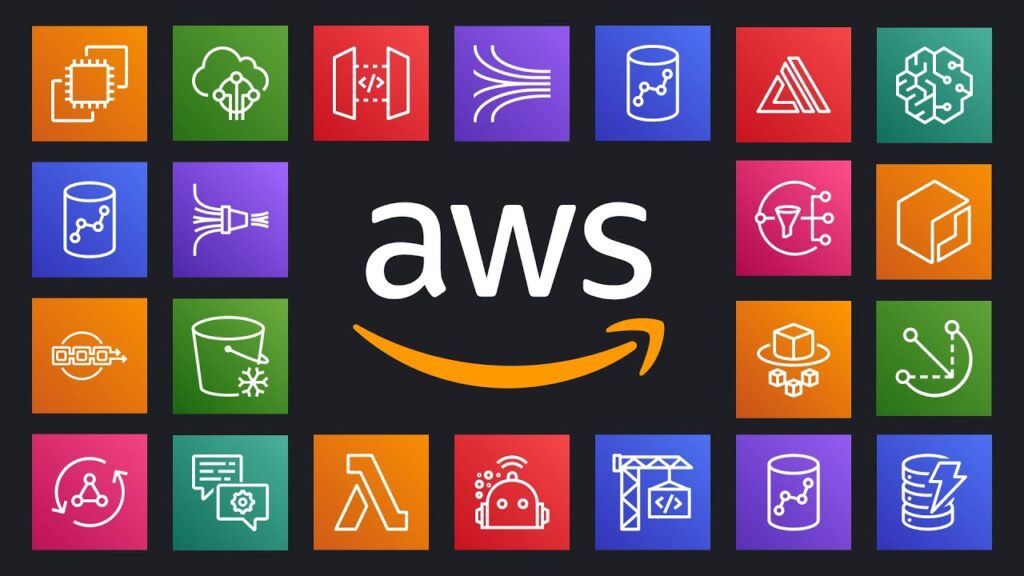
To learn AWS effectively, start with its core services:
- Amazon EC2 – Virtual servers.
- Amazon S3 – Scalable storage.
- AWS Lambda – Serverless computing.
- Amazon RDS – Managed databases.
- IAM (Identity and Access Management) – Security and access control.
Free vs Paid AWS Resources
- Free: AWS Free Tier, AWS Skill Builder, YouTube tutorials.
- Paid: Udemy AWS courses, A Cloud Guru, Coursera, and official AWS training.
Choosing the Right Path: AWS Learning Tracks
How to Learn AWS Cloud Practitioner
- Best for beginners.
- Covers fundamentals of AWS services, billing, pricing, and cloud basics.
- Prepares you for AWS Cloud Practitioner Certification (CLF-C02).
How to Learn AWS DevOps
- Requires deeper knowledge of CI/CD, automation, and infrastructure as code.
- Skills include AWS CodePipeline, CloudFormation, and Elastic Beanstalk.
- Best suited for developers and system administrators.
Picking the Right AWS Course for Your Goals
When selecting an AWS course, check for:
- Updated content aligned with current AWS exams.
- Hands-on labs for real-world practice.
- Student reviews and ratings.
Best Ways to Learn AWS for Beginners
Self-Study with Free AWS Resources
AWS offers plenty of free material, including Skill Builder, whitepapers, and documentation.
Enrolling in AWS Online Courses
Popular platforms include:
- Udemy (affordable, exam-focused).
- A Cloud Guru (hands-on labs).
- Coursera (structured learning paths).
Hands-On Practice with AWS Free Tier
- Offers 12 months of free usage.
- Lets you practice with EC2, S3, RDS, Lambda, and more.
Joining AWS Communities and Forums
Engage with peers via:
- Reddit AWS Community
- AWS re: Post
- LinkedIn AWS groups
Recommended Step-by-Step Roadmap
Learning AWS can feel overwhelming at first. Here’s a structured path you can follow:
Step 1: Grasp the Basics of Cloud & AWS Console
- Learn cloud computing models (IaaS, PaaS, SaaS).
- Explore the AWS Management Console.
- Experiment with free-tier services like EC2 and S3.
Step 2: Start with AWS Cloud Practitioner Certification
- Ideal entry point for beginners.
- Covers AWS basics, billing, pricing, and security.
- Prepares you for real certifications and jobs.
Step 3: Advance to AWS Solutions Architect or DevOps Path
- If you want to design systems, choose Solutions Architect.
- If you love automation, CI/CD, and coding pipelines, go for AWS DevOps.
Step 4: Work on Real-World AWS Projects
- Deploy a personal website using S3 and CloudFront.
- Create a serverless app with AWS Lambda.
- Automate deployments with AWS CodePipeline.
AWS Tools and Resources Every Beginner Should Use
AWS Management Console
The main dashboard where you control services, create resources, and monitor workloads.
AWS Documentation & Whitepapers
- In-depth guides from AWS engineers.
- Perfect for structured self-learning.
- Covers use cases, architecture patterns, and best practices.
AWS Skill Builder and Training Hub
- Free courses with hands-on labs.
- Includes interactive challenges.
- Great way to learn AWS from scratch without spending money.
Common Challenges When Learning AWS (And How to Overcome Them)
Information Overload
AWS has 200+ services, but you don’t need them all. Focus on 10–15 core services first.
Lack of Hands-On Practice
Reading and watching videos isn’t enough. Use the AWS Free Tier to build projects.
Choosing the Wrong Certification Path
Not everyone needs a DevOps certification right away. Beginners should start with Cloud Practitioner.
Timeframe: How Long Does It Take to Learn AWS?
The time depends on your learning style and commitment.
Fast-Track Learning (1–3 Months)
- Daily 2–3 hours of study.
- Focus on Cloud Practitioner basics.
- Suitable for tech professionals who already know cloud computing.
Intermediate Learning (6–12 Months)
- Balanced pace (5–8 hours weekly).
- Move beyond fundamentals to Solutions Architect or DevOps.
- Build 2–3 personal projects.
Ongoing Continuous Learning
- AWS evolves constantly.
- Stay updated via AWS blogs, re: Invent videos, and webinars.
Career Opportunities After Learning AWS
Entry-Level AWS Jobs
- AWS Support Associate
- Junior Cloud Engineer
- Cloud Operations Analyst
AWS DevOps and Cloud Engineering Careers
- AWS DevOps Engineer
- Solutions Architect
- Site Reliability Engineer (SRE)
Salary Expectations in AWS Roles
- Cloud Practitioner-level roles: $70K–$90K annually.
- AWS Solutions Architect / DevOps: $110K–$150K+.
(Source: AWS Salary Report by Skillsoft)
FAQs About How to Learn AWS for Beginners
1. How to learn AWS for beginners without experience?
Start with the Cloud Practitioner certification. Use free resources like AWS Skill Builder and hands-on labs with AWS Free Tier.
2. Is AWS easy to learn from scratch?
Yes, if you follow a structured roadmap. Start with core services (EC2, S3, IAM, RDS) and practice regularly.
3. How to learn AWS Cloud Practitioner effectively?
Dedicate 2–3 hours daily for 6–8 weeks. Use Udemy courses, AWS documentation, and practice exams.
4. Can I learn AWS without coding?
Absolutely. Many AWS roles, like Cloud Practitioner and Solutions Architect, don’t require heavy coding.
5. How long does it take to learn AWS DevOps?
On average, 6–12 months if you already know Linux, networking, and automation tools.
6. Which is the best AWS course for beginners?
- Udemy’s AWS Certified Cloud Practitioner Course (affordable, exam-focused).
- A Cloud Guru (hands-on labs).
- AWS Skill Builder (free, official).
7. Is AWS certification worth it in 2025?
Yes. AWS-certified professionals are among the highest paid in IT and are in demand across industries.
8. How to learn AWS from scratch at home?
- Sign up for the AWS Free Tier.
- Enroll in online courses.
- Join forums like Reddit, AWS, or LinkedIn groups.
- Work on small projects like hosting a static website on S3.
Conclusion: The Best Way to Learn AWS for Beginners
Learning AWS might seem daunting, but with the right roadmap, anyone can succeed. Start with AWS basics, focus on Cloud Practitioner certification, then progress into Solutions Architect or DevOps. Combine structured courses with hands-on practice to solidify your skills.
Whether you’re aiming for AWS DevOps roles, exploring cloud practitioner fundamentals, or simply figuring out how to learn AWS from scratch, the key is consistency.
Cloud computing is the future—and AWS expertise ensures you’ll be part of it.