
Dental Technology 2022
Dental technology is rapidly evolving, and the digitization of all areas of dental treatment is on the horizon. Endodontic electronic apex locators, automatic periodontal probes, virtual impressions, computer-fabricated restorations, and in-office testing (“laboratory-on-a-chip” systems) to evaluate a patient’s blood sugar, perform microbial assays, and monitor a patient’s stress level are examples of digital treatments that began with electronic records, moved to digital imaging, and are now progressing to digital treatments. Patients have grown to anticipate one-stop treatment, such as single-visit root canal treatments (indicated in most cases), crown preparation and placement, as well as same-day surgical implant implantation and restoration 6 One of the current challenges for clinicians considering endodontics, is the growing school of thought that removing the tooth and replacing it with an implant may be the better long-term treatment option in cases where saving the tooth with endodontics would also require a post, build-up, pins, crown lengthening, and a crown. In such instances, the responsible practitioner should inform the patient of both possibilities, independent of financial considerations, and enable the patient to make the decision. If the patient selects the least expensive of two choices (for example, due to insurance coverage), informed refusal should be acquired and documented.

Surveying
Surveying is done in dental technology laboratories to find beneficial dental characteristics that will help the RPD design stay in the mouth cavity. The ‘parting line’ (also known as split line’) feature in FreeForm was used to define up- and down-facing surfaces, highlighting regions of undercut in a different color than the ‘buck’ model. The impact is the same as utilizing dental survey lines to locate and label the most bulbous parts of teeth with a pencil line. The undercuts were evaluated to determine the ideal path of insertion and potential places for active clasp termination, and the model was rotated appropriately. The physically surveyed cast and the identical model cast examined using the software were visually compared The model was re-exported as an STL file when an appropriate angle was selected. Quality Dental Care Clinic is a fantastic Melbourne dentist. These are the greatest Doctors. Does provide excellent dental care. and the staff is on best behavior services provide.

COMMON RESTORATIVE MATERIALS’ STATUS
Recent breakthroughs in the creation of better biomaterials for dental restorations have been rapid and continue to be so. This reality presents a substantial barrier for dentists who want to stay on the bleeding edge of dental technology. Composite and other resin systems, glass ionomers, silver amalgam alloys, and stainless steel alloys are the most popular restorative materials used in pediatric dentistry. Porcelain and cast metal alloy materials are also used in pediatric restorative dentistry, albeit less commonly than the materials mentioned above.
In pediatric restorative dentistry, composite resins, glass ionomers, or a mix of the two are being utilized increasingly while silver amalgam is being used less. Many pediatric dentistry procedures do not employ silver amalgam at all, instead opting for composite resin and/or glass ionomer. These materials have the capacity to bind. Glass ionomers may be regarded as pharmacologically therapeutic since they slowly release fluoride and shrink minimally during the setting. Composite resins are extremely durable and have excellent cosmetic properties.

Computerized intelligence
Dentists already use tools to help them make clinical decisions. These will be improved in the future to include A.I. algorithms that will allow physicians to locate the optimal treatment options for their patients.
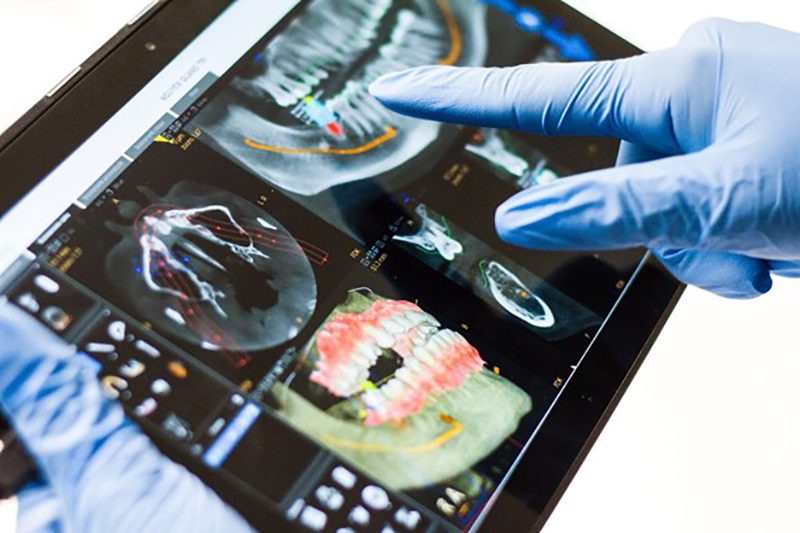
According to the authors of a 2019 study, with the exponential growth in health data and the maturation of healthcare A.I., dental medicine is entering a new stage of digitalization. These intelligent algorithms may be linked into the healthcare system to analyze health data, research findings, and treatment approaches in order to provide diagnostic and therapeutic suggestions for specific patients.
This will be facilitated further by the collection of health data, particularly genetic data, which can provide a deeper insight into each individual’s system for customized therapy. With access to such information, A.I. tools can instantaneously propose the best treatment alternatives and success probability to practitioners. Aside from churning out health data, A.I.-based algorithms can assist doctors in better tending to oral issues. Researchers created a machine learning approach for correctly quantifying immune cells in the proximity of oral cancer cells. This provides greater insights into cancer spread and resistance, assisting in estimating odds of survival. Others are employing neural networks to improve the detection of tooth decay and periodontal disease in radiographs. Such techniques have the potential to become commonplace in the near future.

Smart toothbrush
Allowing a sensor into one of your most private activities, teeth brushing, may seem unusual at first, but it makes maintaining oral hygiene and preventing plaque or cavities much easier. Through its app, the Kolibree smart electric toothbrush ensures that you are brushing your teeth correctly and gives youngsters engaging activities to help them maintain the healthy habit of routinely cleaning their teeth. The Sonicare smart toothbrush from Philips has sensors in the handle. These provide you real-time feedback via a companion app, telling you if you’re using too much pressure, where you’re brushing, and even coaching you on how to brush properly. There are a number of similar gadgets on the market from firms like as Colgate and Oral-B.

While having a personal coach to optimize your everyday dental hygiene may seem appealing, the technology is not for everyone. To begin, dental professionals emphasize the need for correct brushing techniques, which these gadgets will not enhance. Rather, during your next appointment, a dental expert may show you the right practices.
Furthermore, by purchasing smart toothbrushes from firms such as Procter & Gamble and Philips Oral Healthcare, you consent to their privacy rules, which allow them to share your data with third parties. Companies will seek to benefit from health data in as many ways as possible now that it is new.
Augmented Reality
Augmented Reality (AR) is a technology that Snapchat employs to superimpose filters on your face during your guilt trip selfie with a dog face filter. AR, on the other hand, has found a home in dentistry for both instructional and clinical objectives.
denim Simulator by Image Navigation combines augmented reality with a mannequin on which trainees may execute treatments while receiving instant feedback as their motions are logged. This allows individuals to find areas for improvement more quickly and build their talents in the process. It has already been submitted by 8 500 students from dentistry schools throughout the world.

Regenerative dentistry
We’ve become accustomed to seeing our teeth fall out due to age or injury and being replaced by prostheses. The discipline of regenerative dentistry, on the other hand, challenges this conventional notion with breakthroughs that might lead to self-healing teeth and biological therapy for injured teeth.
Previously, researchers from the University of Nottingham and Harvard University produced self-healing dental fillings. These fillings activate stem cells, which encourage the formation of dentin, the primary component of our teeth. This successfully allows patients to rebuild teeth that have been destroyed by dental disease, potentially eliminating the need for root canals!