
Full Stack Developer Career: What is MERN and MEAN Stack, Salary & Job Tips
The demand for full-stack developers has surged in recent years, fueled by the rapid growth of web applications and the need for versatile, skilled professionals who can manage both frontend and backend development. Among the popular full-stack technologies, MERN and MEAN stacks stand out. This article delves into what it means to be a MERN and MEAN developer and provides practical advice on how to secure a job in this competitive field.

Understanding Full Stack Development
What is a Full Stack Developer?
A full-stack developer is a professional who is proficient in both frontend and backend development. They have a comprehensive understanding of how the web works, from designing user interfaces to managing databases and server-side logic. Full-stack developers are capable of handling all aspects of web application development, making them highly valuable in the tech industry.
Frontend vs. Backend Development
- Frontend Development: Involves creating the visual and interactive aspects of a website or application that users interact with directly. Key technologies include HTML, CSS, and JavaScript, along with frameworks like React, Angular, and Vue.js.
- Backend Development: Focuses on server-side logic, databases, and application architecture. It ensures that the frontend runs smoothly and can handle user requests efficiently. Common backend technologies include Node.js, Python, Ruby on Rails, and Java.
What is a MERN Developer?
MERN Stack Overview
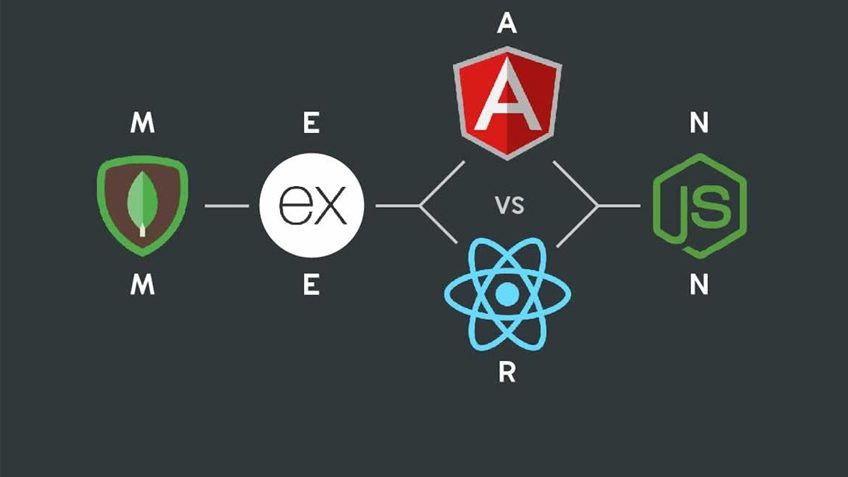
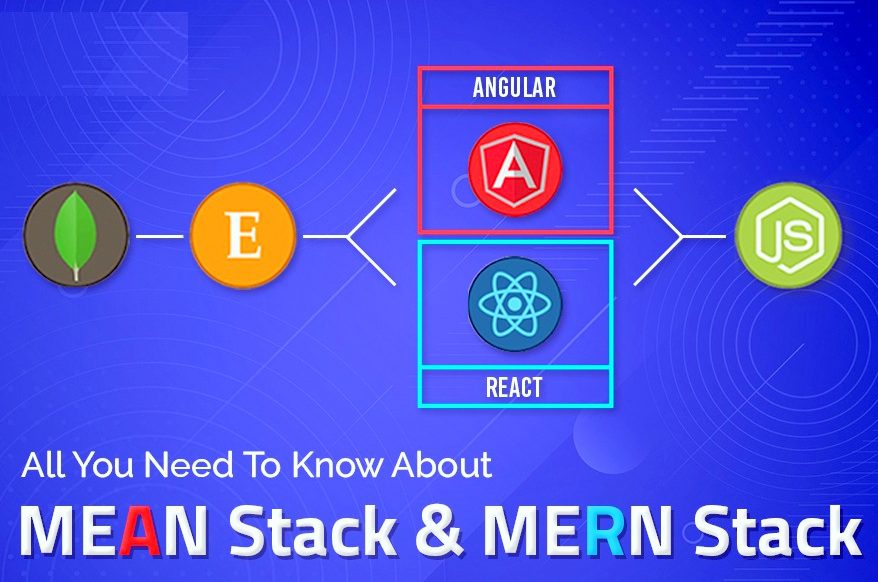
The MERN stack is a popular full-stack framework that combines four powerful technologies:
- MongoDB: A NoSQL database that stores data in JSON-like documents.
- Express.js: A minimal and flexible Node.js web application framework that provides robust features for web and mobile applications.
- React.js: A JavaScript library for building user interfaces, particularly single-page applications, where you can change data without reloading the page.
- Node.js: A JavaScript runtime built on Chrome’s V8 JavaScript engine, enabling server-side scripting.
Benefits of the MERN Stack
- JavaScript Everywhere: The MERN stack allows developers to use JavaScript for both client-side and server-side code, streamlining the development process.
- Strong Community Support: Each component of the MERN stack has a large, active community, providing ample resources and libraries.
- High Performance: React’s virtual DOM enhances application performance, and Node.js offers a non-blocking, event-driven architecture.
MERN Developer Skills
To become a MERN developer, you should be proficient in:
- JavaScript and ES6: Core language skills and familiarity with modern JavaScript features.
- React.js: Component-based architecture, state management, and lifecycle methods.
- Node.js and Express.js: Server-side scripting, middleware, and RESTful API development.
- MongoDB: Schema design, CRUD operations, and aggregation.
What is a MEAN Developer?
MEAN Stack Overview
The MEAN stack is another popular full-stack framework, consisting of:
- MongoDB: A NoSQL database for storing data in JSON-like documents.
- Express.js: A Node.js web application framework for building robust web applications.
- Angular: A platform and framework for building single-page client applications using HTML and TypeScript.
- Node.js: JavaScript runtime for server-side development.
Benefits of the MEAN Stack
Consistent JavaScript Use:
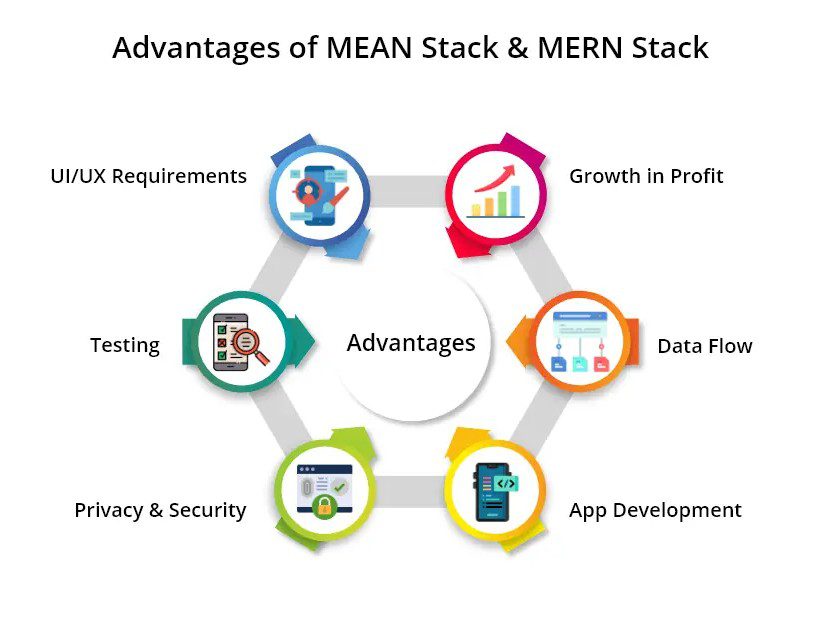
Like MERN, the MEAN stack uses JavaScript across the entire development cycle—from front-end to back-end—ensuring seamless integration between different components. This unified language approach eliminates the need for developers to switch contexts, thereby improving productivity and reducing errors. Teams can share code between client and server sides, speeding up development and debugging processes.
Angular’s Two-Way Data Binding:
One of MEAN’s standout features is Angular’s powerful two-way data binding, which ensures that any change in the model automatically updates the view and vice versa. This real-time synchronization significantly enhances user experience and simplifies handling dynamic content. Developers can build responsive, data-driven applications without writing excessive boilerplate code.
Scalability:
MEAN is well-known for its scalability and flexibility. With Node.js at its core, it efficiently handles concurrent requests, making it ideal for applications expecting rapid growth and heavy user loads. From small startups to large-scale enterprise solutions, MEAN provides a robust architecture capable of adapting to changing demands.
High Performance and Speed:
Node.js brings event-driven, non-blocking I/O operations, enabling MEAN-based applications to perform faster and handle multiple processes efficiently. MongoDB’s document-oriented database design further enhances performance by supporting flexible and scalable data models.
Cost-Effectiveness:
Because MEAN is entirely JavaScript-based and open-source, it reduces development costs. Developers don’t need to learn multiple languages or invest in expensive licenses, which makes it a preferred choice for startups aiming for rapid deployment.
MEAN Developer Skills
To become a MEAN developer, you should master:
- JavaScript and TypeScript: Proficiency in JavaScript and knowledge of TypeScript for Angular development.
- Angular: Understanding of modules, components, services, and Angular CLI.
- Node.js and Express.js: Backend development with a focus on building RESTful APIs.
- MongoDB: Database design, querying, and performance optimization.
How to Get a Job as a MERN or MEAN Developer
Building a Strong Foundation
- Learn the Basics: Start with a solid understanding of HTML, CSS, and JavaScript. Familiarize yourself with the fundamental concepts of web development.
- Choose a Stack: Decide whether you want to focus on MERN or MEAN based on your interest in React or Angular.
Advanced Learning
- Deep Dive into the Stack: Enroll in comprehensive courses or bootcamps that cover the entire MERN or MEAN stack. Platforms like Coursera, Udemy, and freeCodeCamp offer excellent resources.
- Build Projects: Create real-world projects to demonstrate your skills. This could include e-commerce sites, social media platforms, or task management apps. Showcase your projects on GitHub.
Gaining Experience
- Internships and Freelancing: Gain practical experience through internships or freelancing. This helps build your portfolio and provides valuable industry insights.
- Contribute to Open Source: Contributing to open-source projects can enhance your skills and visibility in the developer community.
Networking and Job Search
- Build an Online Presence: Maintain an updated LinkedIn profile, participate in relevant online forums, and share your projects on platforms like GitHub.
- Prepare a Strong Resume and Portfolio: Highlight your skills, projects, and experience. Tailor your resume for each job application.
- Job Portals and Recruitment Agencies: Use job portals like Indeed, Glassdoor, and LinkedIn to find opportunities. Recruitment agencies can also connect you with potential employers.
- Prepare for Interviews: Practice coding challenges on platforms like LeetCode and HackerRank. Prepare for technical interviews by reviewing common questions related to MERN and MEAN stacks.
Continuous Learning
- Stay Updated: Web development is an ever-evolving field. Stay updated with the latest trends, tools, and best practices.
- Attend Conferences and Workshops: Engage with the developer community through conferences, meetups, and workshops.
Becoming a MERN or MEAN developer requires a strong foundation in full-stack development principles, proficiency in relevant technologies, and a commitment to continuous learning. You can join Our Sponsors on this website for a high-skilled full-stack web Development Course. By building a robust portfolio, gaining practical experience, and effectively marketing your skills, you can secure a rewarding job in this dynamic field. With the demand for skilled full-stack developers rising, now is an excellent time to embark on this career path.