

The Ultimate Python Backend Roadmap 2026: Build a Successful Career
Introduction: Why Follow a Python Backend Roadmap?
Python is a cornerstone of modern software development. Its versatility and robust ecosystem make it a top choice for backend systems. Python’s role in backend development is undeniable, from powering web applications to managing complex data flows.

A Python backend roadmap outlines essential skills and technologies. It helps you become a proficient Python backend developer. This roadmap covers core Python, web fundamentals, and frameworks like Django or Flask. It includes database management, API development, security, and deployment. You also learn continuous learning practices, guiding you from beginner to professional.
Are you asking, “how to become a Python developer roadmap”? Or do you seek a clear path? This guide offers a structured plan. It covers every stage, from fundamental Python concepts to advanced backend projects. This detailed Python backend roadmap will transform you into a professional backend developer by 2026.
Step 1—Master Core Python Fundamentals
Before exploring frameworks and APIs, you must grasp core Python basics. These fundamental concepts form the bedrock of every robust backend system. A strong foundation ensures you write efficient and maintainable code.
Key Concepts to Learn
- Data Types: Understand strings, lists, tuples, dictionaries, and sets. Learn their use cases for data storage and manipulation.
- Control Flow: Master if-else statements, loops (for, while), and list comprehensions. These tools dictate program logic.
- Functions and Modules: Learn to organize code into reusable functions and modules. This improves code readability and maintainability.
- Object-Oriented Programming (OOP): Grasp classes, objects, inheritance, and polymorphism. OOP principles help structure complex applications.
- Error Handling: Implement try-except blocks effectively. Proper error handling makes your applications more resilient.
- File Handling and Context Managers: Learn to read from and write to files. Context managers simplify resource management.
Practice these concepts with small coding challenges. This solidifies your understanding before moving to more complex topics.
Step 2—Understand How the Web Works
To design powerful and responsive backends, you must understand the underlying mechanisms of web communication. This knowledge is critical for building systems that interact seamlessly with clients.
Learn About:
- HTTP/HTTPS Protocols: Understand how clients and servers exchange data. HTTPS adds vital security through encryption.
- Request and Response Cycle: Grasp the flow from a client’s request to a server’s response. This forms the basis of web interaction.
- RESTful APIs: Learn to design and interact with RESTful services. They are the backbone of most modern web applications.
- Client-Server Architecture: Comprehend how clients (browsers, mobile apps) communicate with backend servers. This defines application structure.
- JSON and XML Data Formats: Master these formats for data exchange. JSON is especially prevalent in modern APIs.
Mastering these web fundamentals ensures you can build robust, secure, and efficient web applications. They provide the context for all your backend development efforts.
Step 3—Learn Essential Backend Frameworks
Backend frameworks significantly accelerate development and enforce best practices. Choosing the right framework is a crucial step on your Python backend roadmap. Here are the top choices for Python developers:
Each framework offers distinct advantages, catering to different project needs:
| Framework | Key Features | Best Use Cases | Pros | Cons |
|---|---|---|---|---|
| Django | “Batteries-included,” ORM, Admin Panel, built-in security. | Complex, full-stack web applications, large-scale projects. | Comprehensive, robust, secure, rapid development for complex apps. | Steeper learning curve, opinionated, can be overkill for simple APIs. |
| Flask | Microframework, lightweight, flexible, minimal dependencies. | Small to medium-sized APIs, microservices, simple web apps. | Simple, highly flexible, easy to learn, great for custom architectures. | Requires more external libraries for full functionality, less “out-of-the-box” features. |
| FastAPI | High performance, async support, automatic OpenAPI docs, Pydantic data validation. | Modern asynchronous APIs, high-performance microservices. | Extremely fast, built-in data validation, excellent documentation, async-ready. | Newer ecosystem, less mature than Django/Flask, more focused on APIs than full web apps. |
Tip: Start your learning journey with Flask to grasp core web concepts without abstraction. Then, explore Django for comprehensive web development or FastAPI for high-performance API building. This progression builds a versatile roadmap for becoming a Python developer.
Step 4—Master Databases and ORM Tools
Every professional backend developer must master efficient data management and querying. Databases are the heart of most applications, storing all critical information. Understanding different database types and how to interact with them is paramount.
Learn About:
- SQL Databases: Explore relational databases like PostgreSQL, MySQL, and SQLite. These are excellent for structured data with clear relationships.
- NoSQL Databases: Understand non-relational options such as MongoDB (document-based) and Redis (key-value store). They offer flexibility for unstructured or rapidly changing data.
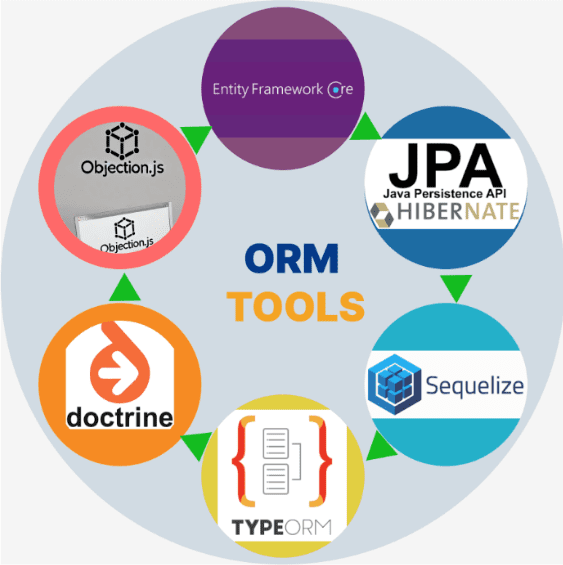
- ORMs (Object Relational Mappers): Learn tools like Django ORM and SQLAlchemy. ORMs allow you to interact with databases using Python objects, abstracting SQL queries. This simplifies development and reduces errors.
Example of a simple ORM model in Django:
from django.db import models

class Employee(models.Model):
    name = models.CharField(max_length=100)
    position = models.CharField(max_length=50)
    salary = models.DecimalField(max_digits=10, decimal_places=2)
This Python code seamlessly connects your application’s objects to your database schema. It lets you perform database operations without writing raw SQL. This enhances productivity and code readability.
Step 5—Learn API Development (REST & GraphQL)
Modern applications heavily rely on Application Programming Interfaces (APIs) for communication. As a critical part of your Python developer roadmap, mastering API design and implementation is non-negotiable. APIs allow different software systems to interact seamlessly.
Core Topics:
- RESTful APIs: Learn to build and consume RESTful services using frameworks like Flask or Django REST Framework. REST (Representational State Transfer) is a widely adopted architectural style for web services.
- GraphQL APIs: Explore GraphQL for more flexible and efficient data querying. Unlike REST, GraphQL allows clients to request exactly the data they need, reducing over-fetching.
- CRUD Operations: Understand how to implement Create, Read, Update, and Delete operations. These fundamental actions form the basis of data interaction via APIs.
- API Authentication: Implement secure methods like JWT (JSON Web Tokens) and OAuth2. Proper authentication protects your API endpoints from unauthorized access.
- Error Handling & Status Codes: Learn to return meaningful error messages and appropriate HTTP status codes. This improves API usability and debugging.
Proficiency in API development is essential for integrating your backend with frontend applications, mobile apps, and other services.
Step 6—Focus on Authentication & Authorization
Security is paramount for any backend system. You must protect user data and control access to sensitive resources. This involves understanding both authentication and authorization mechanisms.
Learn:
- User Authentication: Master login processes, user registration, and secure password hashing. Authentication verifies a user’s identity.
- Authorization: Implement role-based access control (RBAC) to define what authenticated users can do. Authorization determines user permissions.
- JWT Tokens: Utilize JSON Web Tokens for secure, stateless sessions. JWTs provide a compact way to transmit information between parties.
- OAuth2: Understand OAuth2 for secure third-party integrations. This protocol allows users to grant limited access to their resources without sharing credentials.
Leverage robust libraries like Django Rest Framework Auth or Flask-JWT-Extended. These tools simplify implementing secure authentication and authorization flows. Such skills are critical on your Python backend roadmap.
Step 7—Understand Asynchronous Programming
Asynchronous programming is a vital skill for building high-performance Python backends. It lets your application handle multiple I/O-bound operations concurrently. Think network requests or database queries. It does this without blocking the main thread. This significantly improves responsiveness and scalability, enabling your backend to handle thousands of requests efficiently.
Key Libraries:
asyncio: Python’s built-in library for writing concurrent code using the async/await syntax. It forms the foundation for asynchronous operations.aiohttp: An asynchronous HTTP client/server framework. It’s ideal for building highly concurrent web services and making non-blocking HTTP requests.FastAPI: A modern web framework that natively supports and encourages asynchronous operations. It leveragesasyncioto deliver exceptional performance.
Embracing asynchronous patterns helps you build more efficient and scalable backend services, a key differentiator for advanced Python developers.
Step 8—Learn Cloud & Deployment Tools
A crucial part of the Python backend roadmap involves deploying applications to real-world production environments. Backend developers must understand how to package, host, and manage their applications in the cloud. This ensures your code is accessible and scalable.
Deployment Skills:
- Linux Commands and Shell Scripting: Master basic Linux commands for server interaction. Automate tasks with shell scripts.
- Docker & Containers: Learn to package applications and their dependencies into isolated containers. Docker ensures consistent environments across development and production.
- CI/CD Pipelines: Implement Continuous Integration/Continuous Deployment using tools like GitHub Actions or Jenkins. CI/CD automates testing and deployment, speeding up release cycles.
- Cloud Platforms: Gain experience with major cloud providers such as AWS, Google Cloud, or Azure. Understand their services for hosting, databases, and scaling.
- Web Servers: Configure and use web servers like Nginx. Nginx acts as a reverse proxy. Use Gunicorn as a WSGI HTTP server for Python. They efficiently serve your Python application.
A professional backend engineer not only builds robust systems but also efficiently manages their deployment and operational lifecycle.
Step 9—Testing and Debugging
Thorough testing ensures your backend applications run reliably and predictably in production. A robust testing strategy catches bugs early, reduces downtime, and maintains code quality. Effective debugging skills are equally important for identifying and resolving issues quickly.
Learn:
- Unit Testing: Write tests for individual functions or components using frameworks like
unittest(built-in) orpytest. Unit tests verify the smallest parts of your code. - Integration Testing: Test how different components or services interact. For APIs, test endpoints. Ensure they work correctly with databases and other services.
- End-to-End Testing: Simulate real user scenarios. Ensure the entire application flow works as expected.
- Logging and Monitoring: Implement comprehensive logging using Python’s
loggingmodule. Use monitoring tools like Sentry or the ELK Stack. This includes Elasticsearch, Logstash, and Kibana. Track application health and performance in real-time. - Debugging Techniques: Master using IDE debuggers (e.g., VS Code, PyCharm) and print statements. Learn to effectively isolate and fix issues.
Prioritizing testing and debugging is a hallmark of a professional developer. It leads to more stable and maintainable backend systems.
Step 10—Version Control & Collaboration
Version control is indispensable for any software development team. Knowing Git is mandatory for every backend developer. Collaborate effectively on platforms like GitHub or GitLab. It allows you to track changes, revert to previous versions, and work seamlessly with others.
Master:
- Git Basics: Understand core Git commands. These include
git add(stage changes) andgit commit(save changes). Learngit push(upload to remote) andgit merge(combine branches). - Branching Strategies: Learn common workflows such as feature branches, release branches, and hotfix branches. These strategies organize development and releases.
- Pull Requests & Code Reviews: Participate in pull requests (or merge requests) and conduct code reviews. This promotes code quality, knowledge sharing, and collaborative problem-solving.
Proficiency in Git and collaborative workflows ensures smooth teamwork and maintains a clean, well-managed codebase throughout your Python backend roadmap journey.
Step 11—Build Real-World Projects
Theoretical knowledge is important. However, practical experience is the fastest way to master backend development. It is also the most effective. Building real-world projects solidifies your understanding, exposes you to challenges, and creates a tangible portfolio. This is a critical stage on your Python backend roadmap.
Project Ideas:
- Blog Management System (Django): Develop a full-featured blog. Include user authentication, CRUD operations for posts, comments, and an admin interface.
- RESTful API for Task Management (Flask): Create an API to manage tasks. Include user registration, task creation, updates, and filtering.
- E-commerce Backend (FastAPI + PostgreSQL): Build the backend for an online store. Handle products, orders, user accounts, and payment integration.
- Authentication Microservice (JWT + Redis): Design a dedicated service for user authentication and session management. Integrate it with other applications.
- File Upload & Processing Service (Flask/FastAPI + Cloud Storage): Create a service that accepts file uploads. Process them (e.g., image resizing). Store them in cloud storage like AWS S3.
Showcase these projects on your GitHub portfolio. Well-documented, functional projects demonstrate your skills to potential employers and help you stand out in the job market.
Step 12—Learn About DevOps and Scalability
As you progress on your Python backend roadmap, understanding DevOps principles and application scalability becomes crucial. Advanced backend developers build applications. They also ensure apps handle increasing user loads and operate efficiently in production. This bridges the gap between development and operations.
Topics to Explore:
- Load Balancing: Learn how to distribute incoming network traffic across multiple servers. This improves application responsiveness and prevents overload.
- Caching (Redis, Memcached): Implement caching strategies to store frequently accessed data. Caching significantly reduces database load and speeds up response times.
- Microservices Architecture: Understand how to break down large applications into smaller, independent services. This enhances scalability, flexibility, and fault isolation.
- Message Queues (RabbitMQ, Kafka): Use message brokers for asynchronous communication between services. Message queues decouple components and handle background tasks efficiently.
- API Gateways and Reverse Proxies: Learn to use API gateways (e.g., Nginx, Kong) to manage, secure, and route API requests. Reverse proxies enhance security and performance.
These skills are vital for building resilient. High-performing applications that can seamlessly handle growth and high traffic volumes, a key aspect of any professional Python backend roadmap.
Step 13—Understanding Software Design Principles
As you advance along your Python backend roadmap, understanding software design principles becomes essential. Writing clean, scalable, and maintainable code ensures your backend projects remain efficient and easy to extend. Strong design habits separate beginners from professional backend developers, greatly improving teamwork and long-term project stability.
Key Principles and Patterns:
- SOLID Principles: Learn Single Responsibility, Open/Closed, Liskov Substitution, Interface Segregation, and Dependency Inversion. These principles guide object-oriented design for robust systems.
- Design Patterns: Explore common patterns like Singleton (ensuring one instance). Learn Factory (creating objects without specifying the exact class). Understand Observer (defining a one-to-many dependency).
- DRY (Don’t Repeat Yourself): Strive to eliminate redundant code. Abstract common functionalities.
- KISS (Keep It Simple, Stupid): Favor simplicity over complexity. Simpler code is easier to understand, maintain, and debug.
- YAGNI (You Aren’t Gonna Need It): Avoid adding functionality until it is truly required. This prevents over-engineering.
Applying these ideas enhances the quality, structure, and readability of your code. This helps you build reliable systems. They align perfectly with the goals of a comprehensive Python backend roadmap.
Step 14—Explore Job Roles & Career Paths
Your Python backend roadmap opens doors to diverse and rewarding career paths. The skills you acquire are highly transferable across various specializations. Understanding these roles helps you tailor your learning and career goals.
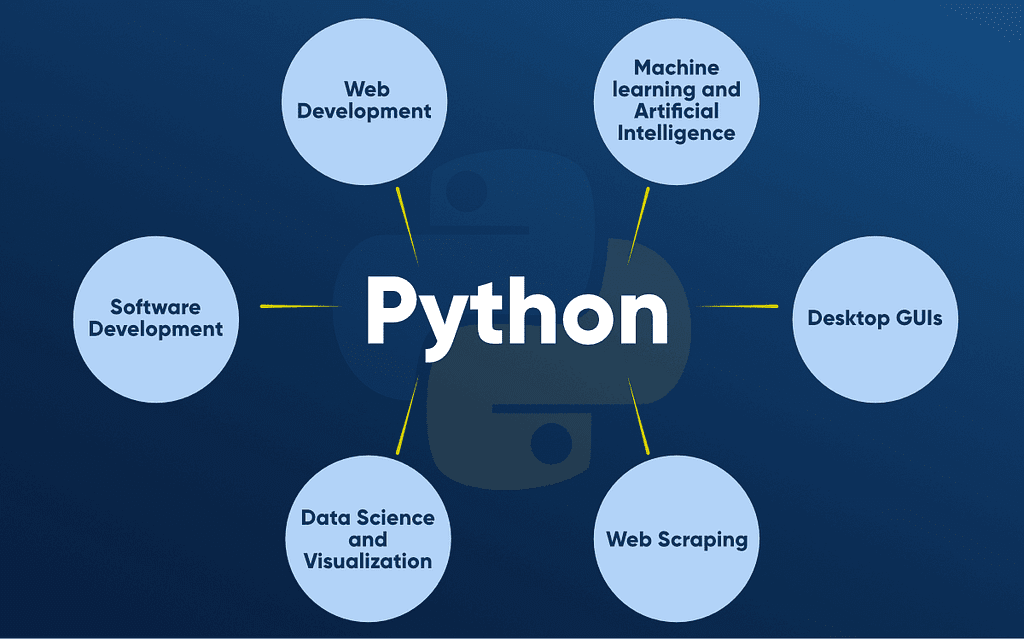
Here are some common career paths building on a strong Python backend foundation:
| Job Role | Primary Focus | Average Salary Range (USD) | Key Python Skills |
|---|---|---|---|
| Python Backend Developer | Building and maintaining APIs, server-side logic, database interaction. | $85,000 – $130,000 | Frameworks (Django, Flask, FastAPI), Databases, API Design, Security. |
| Full-Stack Developer | Backend logic, databases, plus frontend user interfaces. | $90,000 – $140,000 | All backend skills, plus JavaScript, React/Vue/Angular, HTML/CSS. |
| Data Engineer | Designing, building, and maintaining data pipelines and warehouses. | $100,000 – $150,000 | Data processing (Pandas, PySpark), Databases, Cloud (AWS Glue, Dataflow). |
| DevOps Engineer | Automation, deployment, infrastructure management, CI/CD. | $95,000 – $145,000 | Docker, Kubernetes, Cloud Platforms, Scripting, CI/CD tools. |
Each role offers unique opportunities for growth, leveraging your core Python backend expertise in different domains.
Step 15—Continuous Learning and Community Involvement
The tech landscape evolves rapidly. Continuous learning is vital for long-term success. Staying updated with new tools, best practices, and trends ensures your skills remain relevant and competitive. Active community involvement also provides invaluable networking and learning opportunities.
Stay Updated Through:
- Python Newsletters and Blogs: Subscribe to popular Python and backend development newsletters. Follow reputable tech blogs and publications.
- GitHub and Stack Overflow Communities: Engage with open-source projects on GitHub. Contribute to discussions and answer questions on Stack Overflow.
- Online Courses and Tutorials: Regularly take new courses on platforms like Coursera, Udemy, or specialized Python learning sites.
- Conferences and Meetups: Attend virtual or in-person events like PyCon, EuroPython, or local Python meetups. These offer insights into emerging technologies and networking.
- Reading Documentation: Always refer to official documentation for libraries and frameworks. It’s the most accurate and up-to-date resource.
Remember, learning never stops. The Python backend roadmap evolves constantly. Your commitment to continuous improvement will define your career trajectory.
FAQs About the Python Backend Roadmap
What is the Python backend roadmap?
It’s a structured guide outlining the essential skills, frameworks, and tools to become a proficient backend developer using Python.
Is Python good for backend development?
Absolutely. Python’s frameworks like Django and FastAPI make backend development fast, efficient, and scalable.
How long does it take to learn backend development with Python?
Typically, 6–12 months of consistent learning and practice will make you job-ready.
Should I learn Django or Flask first?
Start with Flask to understand core backend logic, then move to Django for enterprise-level projects.
What’s the difference between a Python backend developer and a full-stack developer?
A backend developer focuses on server-side logic, while a full-stack developer handles both backend and frontend development.
Do I need math for backend development?
Only basic logic and problem-solving skills are needed; advanced math is rarely required.
What are the top Python backend frameworks in 2025?
FastAPI, Django, and Flask remain the most popular and in-demand frameworks.
Final Thoughts: Your Journey on the Python Backend Roadmap
Following this comprehensive Python backend roadmap provides a structured, practical, and achievable learning plan. It equips you with the essential knowledge and skills to excel in backend development. Whether you’re just starting your journey or aiming to upgrade existing skills, remember a core principle:
“Consistency beats complexity. Learn, build, and improve every day.”
You now possess a clear guide to create, deploy, and scale robust backend systems using Python in 2026. Embrace the challenges, keep building, and contribute to the vibrant Python community. Your journey to becoming a world-class Python backend developer.
The Core Systems is providing state-of-the-art courses with generative and agentic AI in Python with Ai, Python data science with agentic AI, and a data analytics course with AI
Join us for these and other AI courses with TheCoresystems, an AI company