Data Science vs Data Analyst: Complete Career Guide 2026
Choosing the right data career can be confusing. Data Science and Data Analytics are closely related, but they are not the same career path. Both use data to solve business problems, yet they differ in skills, tools, responsibilities, career growth, and the type of work professionals perform.

This Data Science vs Data Analyst: Complete Career Guide 2026 explains the differences in simple terms and helps students and working professionals decide which path fits their goals.
Whether you are a university student planning your first career, an industry professional looking to move into technology, or someone comparing a data science vs. data analyst course, this guide covers the major factors you need to know.
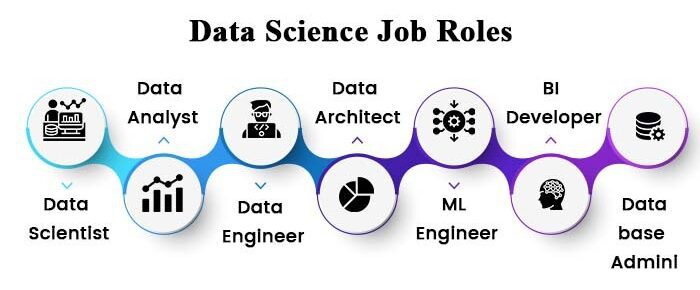
Practical training in data visualization tools.
At The Core Systems, we work across AI, Data Science, Data Analytics, software development, cloud computing, IoT, cybersecurity, and other technology areas. Our training approach is designed to connect technical learning with practical industry applications for students and professionals.
Data Science vs Data Analyst: What Is the Difference?
The simplest way to understand the difference is this:
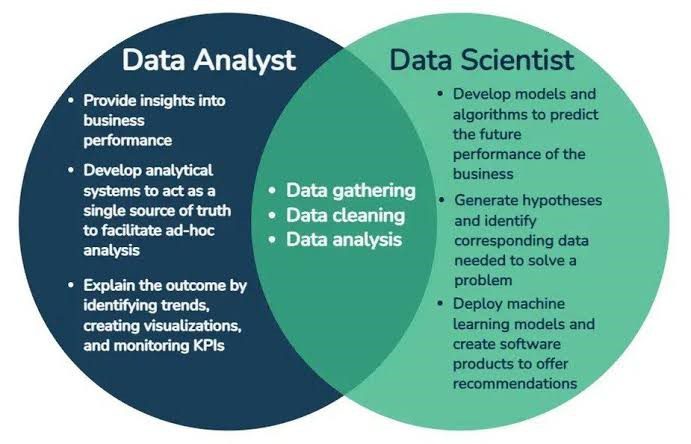
- A Data Analyst mainly studies existing data to discover trends, answer business questions, and create reports.
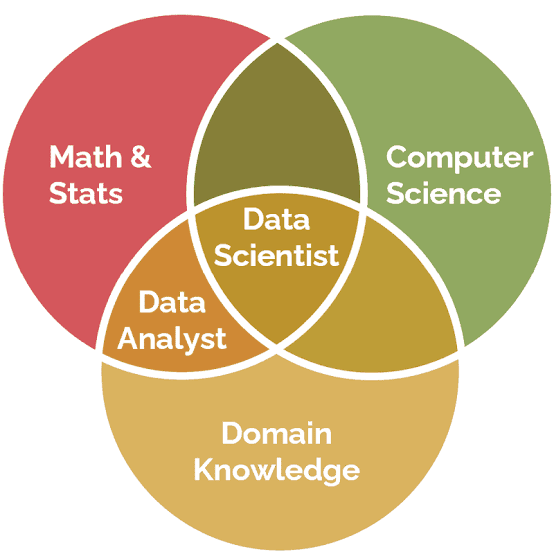
- A Data Scientist works with data to build predictive models, find deeper patterns, and support more advanced decision-making.
- Both roles can use Python, SQL, statistics, databases, visualization tools, and business knowledge.
- The biggest difference is usually the depth of statistical modeling, machine learning, programming, and predictive work involved.
For example, imagine an online company notices that sales have decreased.
A data analyst might investigate:
- Which products have declining sales?
- Which region has the biggest drop?
- What happened compared with last month?
- Which customer groups are buying less?
A data scientist might go further:
- Which customers are likely to stop buying?
- Can we predict next month’s sales?
- Which factors are most likely to influence customer behavior?
- Can a machine learning model improve recommendations?

The two careers often work together rather than competing with each other.
What Does a Data Analyst Do?
A Data Analyst turns raw information into useful business insights.
Companies collect large amounts of information from websites, applications, sales systems, customer interactions, operations, and other sources. Much of this information is difficult to understand in its raw form.
The analyst’s job is to organize and examine that information.
Typical responsibilities include:
- Collecting and cleaning data
- Writing SQL queries
- Finding trends and patterns
- Preparing reports
- Creating dashboards
- Tracking business metrics
- Performing statistical analysis
- Communicating findings to teams
- Supporting business decisions
A data analyst may work with sales, marketing, finance, operations, healthcare, manufacturing, education, or technology teams.
A Typical Data Analyst Workflow
A common workflow looks like this:
Business question → Data collection → Data cleaning → Analysis → Visualization → Insight → Business decision

Data Science and Data Analytics career path for students and professionals
For example, a manufacturing company may want to understand why production output has changed.
The analyst can examine historical production data, identify patterns, compare different periods, create dashboards, and communicate the findings to management.
What Does a>What Does a Data Scientist Do?
g>Data Scientist uses data, statistics, programming, and machine learning to solve more advanced problems.The role often involves both understanding historical data and building systems that can estimate or predict future outcomes.
Common responsibilities include:
- Preparing and exploring datasets
- Developing statistical models
- Building machine learning models
- Testing model performance
- Predicting future outcomes
- Finding complex relationships in data
- Automating analytical processes
- Working with large datasets
- Collaborating with engineering and business teams
For example, a data scientist could create a model that estimates the probability that a customer will leave a service. The result can help a business identify customers who may need additional support.
Data Scienc>Data Science vs Data Analyst: Skills Comparison
he most important parts of this data science vs data Analyst career guide is understanding the skill difference.| Skill Area | Data Analyst | Data Scientist |
|---|---|---|
| SQL | Very important | Very important |
| Excel/Spreadsheets | Common | Sometimes used |
| Data Visualization | Very important | Important |
| Statistics | Moderate to advanced | Advanced |
| Python | Useful to very important | Very important |
| Data Cleaning | Very important | Very important |
| Machine Learning | Basic or optional | Core skill |
| Predictive Modeling | Limited | Core responsibility |
| Business Communication | Very important | Very important |
| Database Knowledge | Important | Important |
| Programming | Moderate | Advanced |
| Experimentation | Useful | Important |
| Artificial Intelligence | Optional | Increasingly important |
The exact requirements vary between companies. A modern analyst may use Python and machine learning, while some data scientists spend a significant amount of time on analytics and reporting. The job titles are not always standardized.
Educational>Educational Requirements for Data Careers
ot necessarily need the same educational background for every data role.Students commonly enter these careers through degrees such as:
- Computer Science
- Information Technology
- Mathematics
- Statistics
- Economics
- Engineering
- Business Analytics
- Data Science
However, skills and practical projects matter significantly.
A degree can provide a strong foundation, but employers may also evaluate:
- Technical ability
- Portfolio projects
- Problem-solving
- Communication
- Understanding of data
- Internship experience
- Knowledge of industry tools
Professionals from non-computer backgrounds can also move into analytics by building the right technical foundation.
Data Scienc>Data Science vs. Data Analyst Course: What Should You Learn?
re comparing a data science vs. data analyst course, start by identifying the type of work you want to perform.A beginner-friendly Data Analytics learning path may include:
- Spreadsheet fundamentals
- SQL
- Data cleaning
- Statistics
- Data visualization
- Dashboard development
- Python for analytics
- Business problem-solving
- Portfolio projects
A Data Science learning path generally goes further:
- Python programming
- Statistics and probability
- Data cleaning
- Exploratory data analysis
- SQL and databases
- Machine learning
- Model evaluation
- Feature engineering
- Predictive modeling
- Practical AI applications
The best course is not necessarily the one with the longest syllabus.

Expert trainers make our Data Analyst Course in Ambala ideal for both beginners and professionals.
Look for a program that includes hands-on projects, mentor support, real datasets, practical assignments, and career-oriented learning.
Data Analys>Data Analyst Tools You Should Know
nalyst may work with a combination of simple and advanced tools.SQL
SQL is one of the most valuable skills for analytics. It helps professionals retrieve and analyze information stored in databases.
You should understand concepts such as:
- SELECT statements
- Filtering
- Sorting
- Grouping
- Joins
- Aggregations
- Subqueries
- Basic analytical functions
Excel or Spreadsheets
Spreadsheets remain useful for many business tasks. Professionals may use them for:
- Quick analysis
- Calculations
- Data organization
- Charts
- Small datasets
- Business reporting
Data Visualization
Visualization makes complex information easier to understand.
Common dashboard and visualization platforms include tools such as Power BI, Tableau, and Python-based visualization libraries.
The important skill is not simply knowing how to create a chart. You should know which chart answers the business question clearly.
Data Scient>Data Scientist Tools and Technologies
entists generally need a broader technical toolkit.Important areas include:
- Python
- SQL
- Statistics
- Machine learning
- Data visualization
- Data preprocessing
- Model evaluation
- Databases
- Cloud platforms
- Version control
- AI concepts
Python is especially useful because it supports the complete data workflow, from data preparation to machine learning.
Libraries and frameworks may include tools for:
- Numerical computing
- Data manipulation
- Visualization
- Machine learning
- Deep learning
You do not need to master everything at once. Build your foundation first and add advanced technologies as your projects become more complex.
Data Analys>Data Analyst vs Data Scientist: Daily Work
y experience can be quite different.A data analyst might spend a significant part of the day:
- Answering business questions
- Updating reports
- Writing SQL queries
- Cleaning datasets
- Creating dashboards
- Investigating changes in metrics
- Presenting insights
A data scientist may spend more time:
- Preparing data for modeling
- Exploring variables
- Testing statistical approaches
- Training models
- Evaluating predictions
- Improving model performance
- Working with engineering teams
- Explaining model results
There is still substantial overlap. A data scientist may perform analytics, and a data analyst may use predictive techniques. Job descriptions should always be reviewed rather than relying only on job titles.
Data Scienc>Data Science vs Data Analyst Career Guide: Career Paths
can develop differently depending on your starting point.Data Analyst Career Path
A possible progression is:
Junior Data Analyst → Data Analyst → Senior Data Analyst → Analytics Lead → Analytics Manager
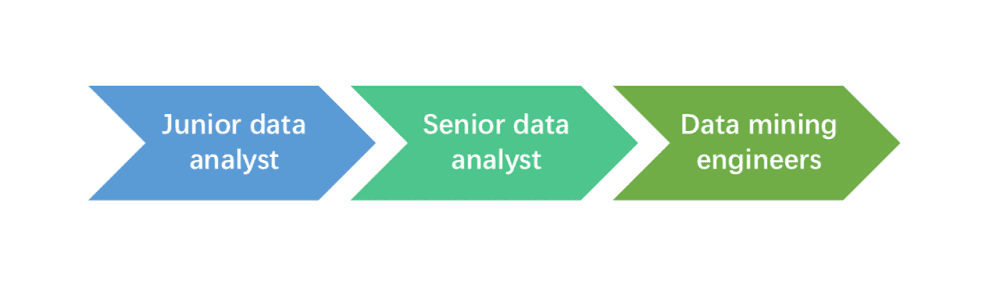
Other directions may include:
- Business Analyst
- Product Analyst
- Marketing Analyst
- Operations Analyst
- Business Intelligence Specialist
- Analytics Consultant
Data Science Career Path
A possible path is:
Junior Data Scientist → Data Scientist → Senior Data Scientist → Lead Data Scientist → Data Science Manager
Career path in Data Science
Professionals may later specialize in:
- Machine Learning
- Artificial Intelligence
- Business Intelligence
- Natural Language Processing
- Computer Vision
- Recommendation Systems
- Advanced Analytics
There is no single correct career ladder.
Salary and Career GrowthSalary and Career Growth
lly by location, company, experience, education, technical skills, industry, and job responsibilities.It is therefore better to avoid choosing a career based only on a single salary number found online.
In general:
- Entry-level data analyst roles often have a lower technical barrier.
- Data scientist positions commonly require deeper statistical and programming knowledge.
- Experienced professionals in either field can earn strong compensation.
- Specialized AI and machine learning skills can create additional career opportunities.
For current employment and occupational data, readers should consult trusted sources such as the U.S. Bureau of Labor Statistics and relevant local employment reports.
External resource placeholder: [Insert link to a reputable technology or labor-market source such as the U.S. Bureau of Labor Statistics or a respected technology journal.]
For Indian professionals, salary expectations should also be evaluated against the specific city, company size, industry, and experience level rather than relying on global averages.
Which Career Is Easier for >Which Career Is Easier for Beginners?
ong>Data Analytics is the more accessible starting point.Why?
Because you can begin with:
- Spreadsheets
- SQL
- Basic statistics
- Visualization
- Business analysis
You do not need to start with advanced machine learning.
Data Science usually requires a stronger foundation in:
- Programming
- Mathematics
- Statistics
- Machine learning
- Data structures and algorithms in some roles
That does not mean Data Science is impossible for beginners. It simply means that the learning curve can be steeper.
Which Career Is Better for >Which Career Is Better for You?
better choice.Choose Data Analytics if you enjoy:
- Business questions
- Reports and dashboards
- Finding trends
- Working with structured data
- Communicating insights
- Practical problem-solving
Choose Data Science if you enjoy:
- Programming
- Mathematics
- Statistics
- Predictive models
- Machine learning
- Experimentation
- More technical problem-solving
If you are unsure, starting with analytics can be a practical way to build your data foundation before moving into data science.
Data Science vs Data Analys>Data Science vs Data Analyst for Students
an advantage: time to build a portfolio before graduation.Instead of only studying theory, create several practical projects.
For Data Analytics, possible projects include:
- Sales dashboard
- Customer behavior analysis
- Marketing campaign analysis
- Business performance report
- Inventory analysis
- Public-data visualization project
For Data Science, projects could include:
- Customer churn prediction
- Sales forecasting
- Classification model
- Recommendation prototype
- Customer segmentation
- Predictive business model
A good project should explain the problem, data, method, results, and business value. Do not create projects only to show that you can run code.
Data Science vs Data Analys>Data Science vs Data Analyst for Working Professionals
ten need a more focused approach.If you already work in finance, marketing, operations, sales, manufacturing, IT, or business management, you may already understand valuable business problems.
That experience can become a major advantage. For example, someone working in manufacturing may understand production challenges better than a beginner with only technical knowledge.
A professional transition could follow this path:
Existing domain knowledge → SQL → Statistics → Python → Analytics projects → Data role
From there, you can move toward advanced Data Science if it matches your interests.
The Role of AI in Data Careers
<>The Role of AI in Data Careersork with data. Modern data teams increasingly use AI-assisted tools for tasks such as:- Exploring datasets
- Writing initial code
- Generating documentation
- Detecting patterns
- Automating repetitive analysis
- Supporting predictive workflows
However, AI does not remove the need for fundamental skills.
Professionals still need to understand:
- Whether data is reliable
- Whether a result makes sense
- How to validate an analysis
- How models should be evaluated
- How bias can affect results
- How findings should be communicated
The future advantage will likely belong to professionals who can combine domain knowledge, data skills, AI tools, and critical thinking.
Future Scope of Data Science and Data>Future Scope of Data Science and Data Analytics in 2026
es to expand as organizations use information to improve products, operations, customer experiences, and decision-making.Data professionals may work in areas such as artificial intelligence, e-commerce, banking, healthcare, manufacturing, telecommunications, education, logistics, marketing, cybersecurity, software, and industrial technology.
For organizations in Chandigarh, Mohali, Punjab, Haryana, and nearby regions, data skills can also connect with software development, industrial automation, IoT, IIoT, cloud computing, and AI projects.
This creates opportunities for professionals who understand more than one technical area. For example, someone with Data Analytics + Python + Cloud knowledge may be able to support a wider range of projects than someone who knows only one tool.
How The Core Systems Can Help You Bui>How The Core Systems Can Help You Build Data Skills
combines software development and AI-focused technology training with practical industry exposure.Its broader technology ecosystem includes training in:
- AI and Data Science
- Data Analytics
- Python
- Full-Stack Web Development
- MERN Development
- Python with AI
- AWS Cloud Computing
- Cyber Security
- Linux
- IoT and IIoT
- Embedded Systems
This combination is useful because modern technology careers increasingly overlap. A data professional may eventually need to work with cloud platforms, applications, APIs, AI systems, databases, or industrial data.
For students and industry professionals, the goal should therefore be more than completing a course. The goal should be to build practical skills that can solve real problems.
A Practical Roadmap to Start Your Dat>A Practical Roadmap to Start Your Data Career
id trying to learn everything simultaneously.Step 1: Learn the Basics
Start with computer fundamentals, basic mathematics, spreadsheet skills, and logical thinking.
Step 2: Learn SQL
SQL should be a priority for anyone entering data-related work. Practice retrieving, filtering, grouping, and joining data.
Step 3: Learn Statistics
Focus on practical concepts such as mean, median, variance, probability, distributions, correlation, sampling, and hypothesis testing.
Step 4: Learn Python
For analytics, focus on Python for data handling and visualization. For Data Science, continue into machine learning after building a strong Python foundation.
Step 5: Build Projects
Create projects that solve realistic problems. Do not build ten nearly identical projects. Three to five strong projects can be more useful than a large collection of unfinished work.
Step 6: Create a Portfolio
Your portfolio should show the problem, dataset, your approach, code/analysis, visualizations, results, and key conclusions.
Step 7: Prepare for Interviews
Practice SQL questions, statistics, Python, data interpretation, case studies, business questions, and project explanations. Most importantly, learn to explain why you made a particular analytical decision.
Common Mistakes Beginners Should Avoi>Common Mistakes Beginners Should Avoid
when starting a data career.Learning Too Many Tools
Do not try to learn every analytics and AI platform at once. Master the fundamentals first.
Ignoring Communication
A technically correct analysis is not useful if nobody understands it. Practice explaining your findings in simple language.
Focusing Only on Certificates
Certificates can demonstrate learning, but projects demonstrate application.
Avoiding Statistics
You do not need to become a mathematician, but basic statistics is important for understanding data correctly.
Copying Projects
A portfolio filled with copied tutorials does not show your problem-solving ability. Build something you understand from start to finish.
Chasing Every AI Trend
AI changes quickly. Strong fundamentals remain valuable. Learn concepts first, then learn new tools.
Data Science vs Data Analyst: Final Verdict
terests and career goals.Data Analytics is often the better starting point for people who enjoy business questions, reporting, dashboards, and finding insights from existing information.
Data Science is often a better fit for people who enjoy programming, statistics, machine learning, predictive modeling, and deeper technical problems.
Neither career is automatically better. A strong career strategy is to develop a solid foundation in SQL, statistics, Python, data visualization, communication, and problem-solving. Once those skills are established, you can specialize.

Data Science vs Data Analyst
For students and professionals comparing a data science vs. data analyst course, focus less on the course title and more on its practical syllabus, projects, mentoring, industry relevance, and the skills you will actually develop.
The most valuable data professional in 2026 is not simply someone who knows a particular tool. It is someone who can understand a problem, work with reliable data, apply the right method, and turn the result into useful action.
Contact Us
<>Contact Usc" class=" wp-image-15532 aligncenter" src="https://netmax.co.in/wp-content/uploads/2026/09/address-2.jpg" alt="address" width="660" height="254" srcset="https://netmax.co.in/wp-content/uploads/2026/09/address-2.jpg 512w, https://netmax.co.in/wp-content/uploads/2026/09/address-2-300x115.jpg 300w, https://netmax.co.in/wp-content/uploads/2026/09/address-2-150x58.jpg 150w" sizes="auto, (max-width: 660px) 100vw, 660px" />